
How to Prepare Your Home for the Rainy Season: Construction Tips
Inspect and Repair Your Roof
One of the first steps in preparing your home for the rainy season is to inspect your roof. Look for missing or damaged shingles and repair them promptly. It's crucial to ensure that your roof is in good condition to prevent leaks and water damage. If you're not comfortable doing this yourself, consider hiring a professional roofer to conduct a thorough inspection.

In addition to shingles, check for any signs of rust or wear in metal roofing. Recoating or replacing these areas can prevent water from seeping through. Remember, a well-maintained roof is your first line of defense against heavy rain.
Check Gutters and Downspouts
Gutters and downspouts play a vital role in directing rainwater away from your home. Make sure they are clear of debris such as leaves and twigs. Clogged gutters can lead to overflowing water, which may damage your roof and walls.
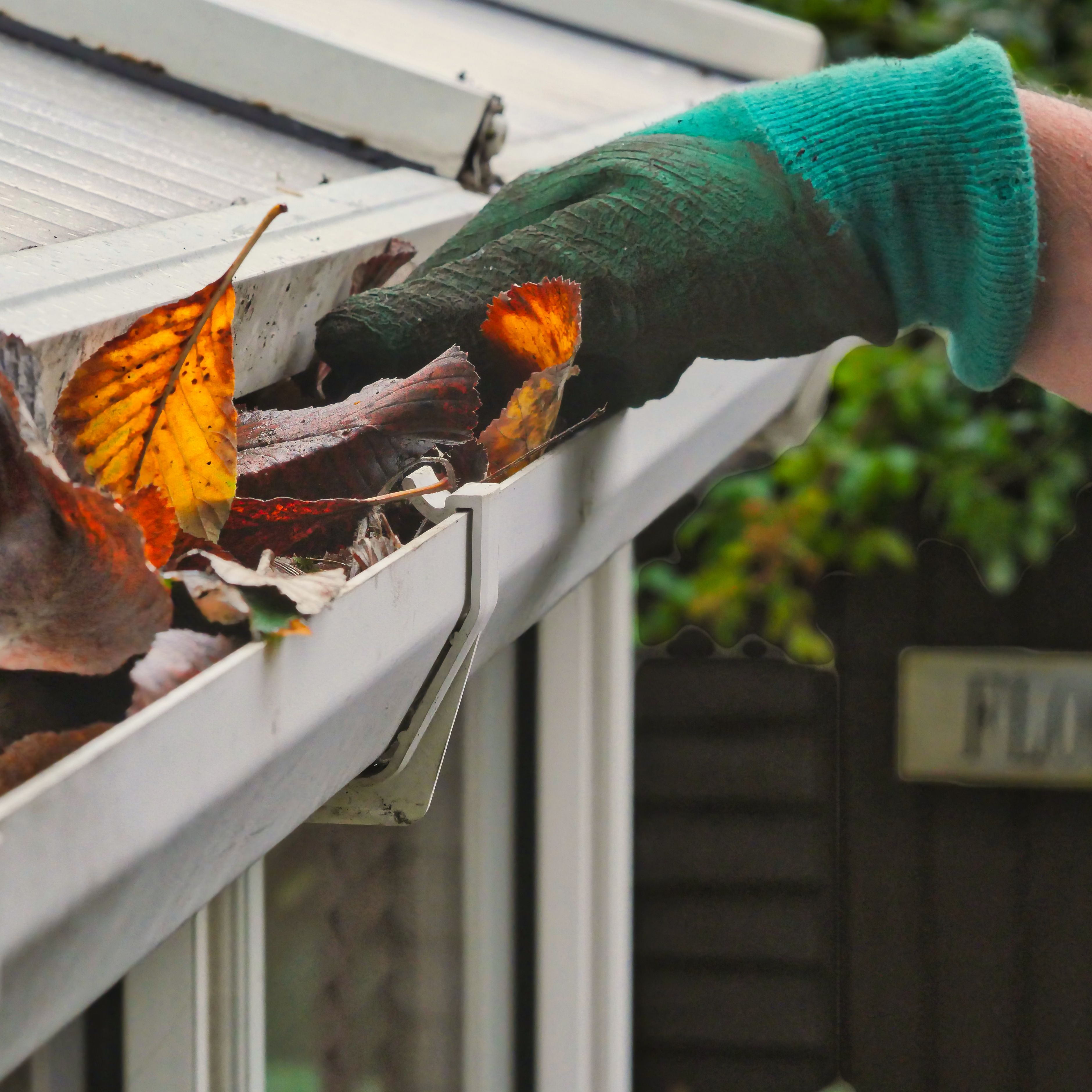
Ensure that downspouts are directed away from the foundation of your home. If necessary, extend them to prevent water from pooling near the base of your house. Regular maintenance of these components is essential for effective water management.
Seal Windows and Doors
Properly sealed windows and doors prevent water from entering your home during heavy rain. Check the seals around these areas and replace any worn or damaged weather stripping. This not only prevents leaks but also helps in maintaining energy efficiency.
If you notice any gaps or cracks, use caulking to seal them. This simple step can make a significant difference in keeping your home dry and comfortable.

Inspect the Foundation
Inspecting the foundation of your home is crucial before the rainy season begins. Look for any cracks or signs of water infiltration. If you find any issues, consider consulting a professional to address potential problems before they escalate.
Waterproofing your basement or crawl space can also be a wise investment. This can prevent water damage and mold growth, ensuring your home remains safe and dry.
Prepare Your Yard
Your yard can significantly impact how water flows around your home. Make sure your landscaping slopes away from your house to prevent water from accumulating near the foundation. Trim trees and shrubs to avoid branches breaking off during storms.

Consider installing a rain garden to manage runoff and enhance the aesthetic of your yard. These gardens can absorb excess rainwater, reducing the risk of flooding.
Emergency Preparedness
Being prepared for unexpected weather is always a good idea. Keep an emergency kit ready with essentials such as flashlights, batteries, and bottled water. Ensure that your family knows the safety procedures and emergency contact numbers.
Additionally, consider investing in a battery-powered sump pump as a backup to keep your basement or crawl space dry during power outages.

By taking these proactive steps, you can protect your home from the challenges of the rainy season and ensure peace of mind as the weather changes. Regular maintenance and preparation can prevent costly repairs and preserve the integrity of your home.