Expert Insights: Trends in Malaysian Construction
Introduction to Malaysian Construction Trends
Malaysia's construction industry is experiencing a dynamic transformation, driven by a combination of technological advancements and evolving market demands. As we delve into the latest trends, it's evident that innovation is at the forefront, reshaping how projects are designed and executed.
Embracing Sustainable Practices
Sustainability has become a cornerstone in the construction sector. Companies are increasingly adopting eco-friendly materials and practices to minimize environmental impact. This shift not only aligns with global environmental goals but also caters to the growing demand for green buildings among consumers and businesses.
Key sustainable practices include the use of recycled materials, energy-efficient building designs, and water conservation systems. These initiatives are supported by government incentives, which encourage developers to prioritize sustainability in their projects.
Technological Advancements
The integration of technology in construction is revolutionizing the industry. From Building Information Modeling (BIM) to drones and 3D printing, these technologies enhance efficiency, accuracy, and safety on construction sites.
BIM, in particular, allows for improved collaboration among stakeholders by providing a digital representation of a building's physical and functional characteristics. This leads to better decision-making and reduced project costs.

Rise of Smart Buildings
Smart buildings are gaining traction in Malaysia, offering enhanced convenience and energy management. These buildings utilize Internet of Things (IoT) technologies to monitor and control various systems, such as lighting, heating, and security, in real-time.
The demand for smart buildings is driven by the need for efficiency and the desire to create more responsive and adaptive environments. This trend is expected to grow as more developers recognize the benefits of smart infrastructure.
Urbanization and Infrastructure Development
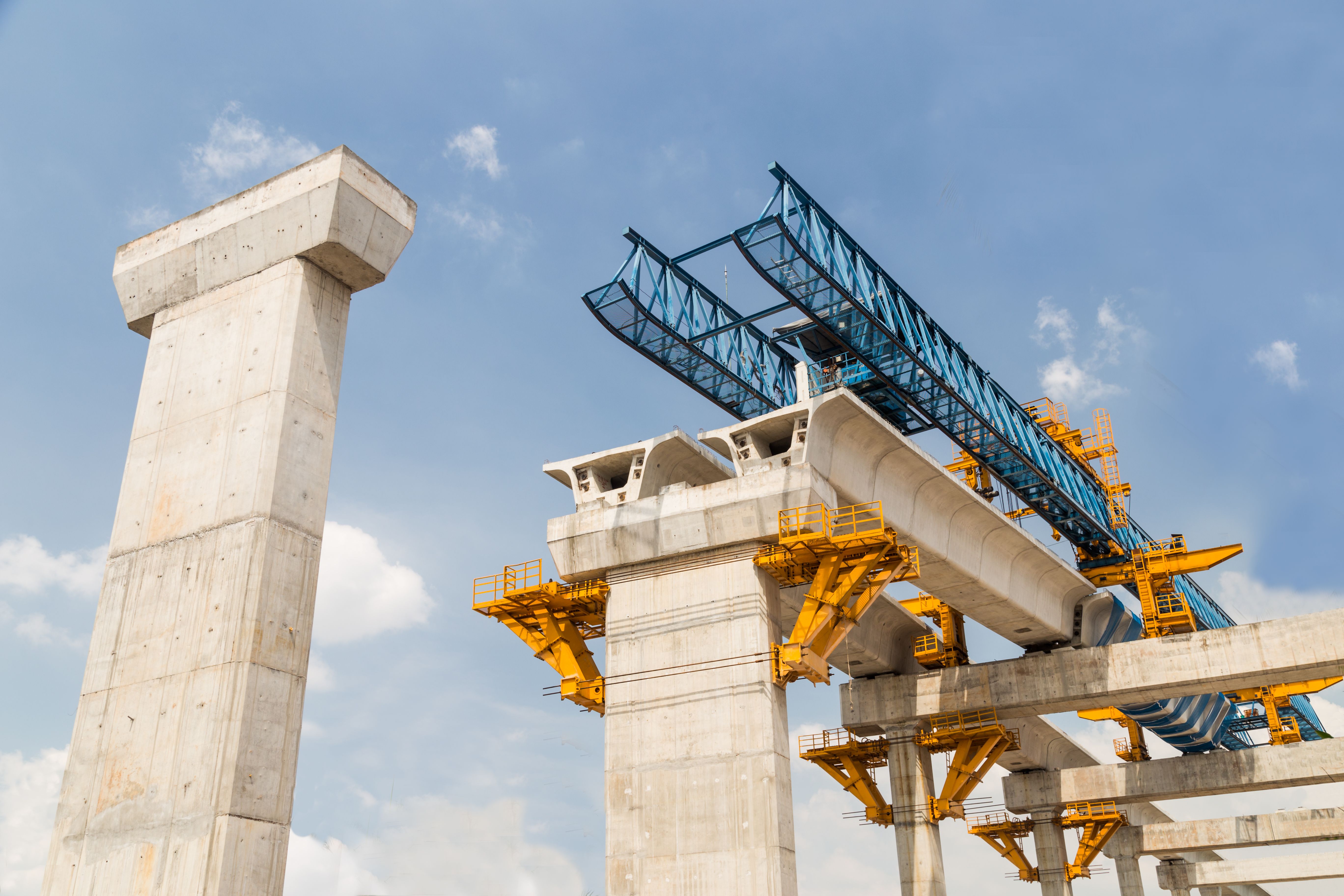
Urbanization continues to be a significant trend, with major cities in Malaysia expanding rapidly. This growth necessitates the development of infrastructure to support increased population density and economic activities.
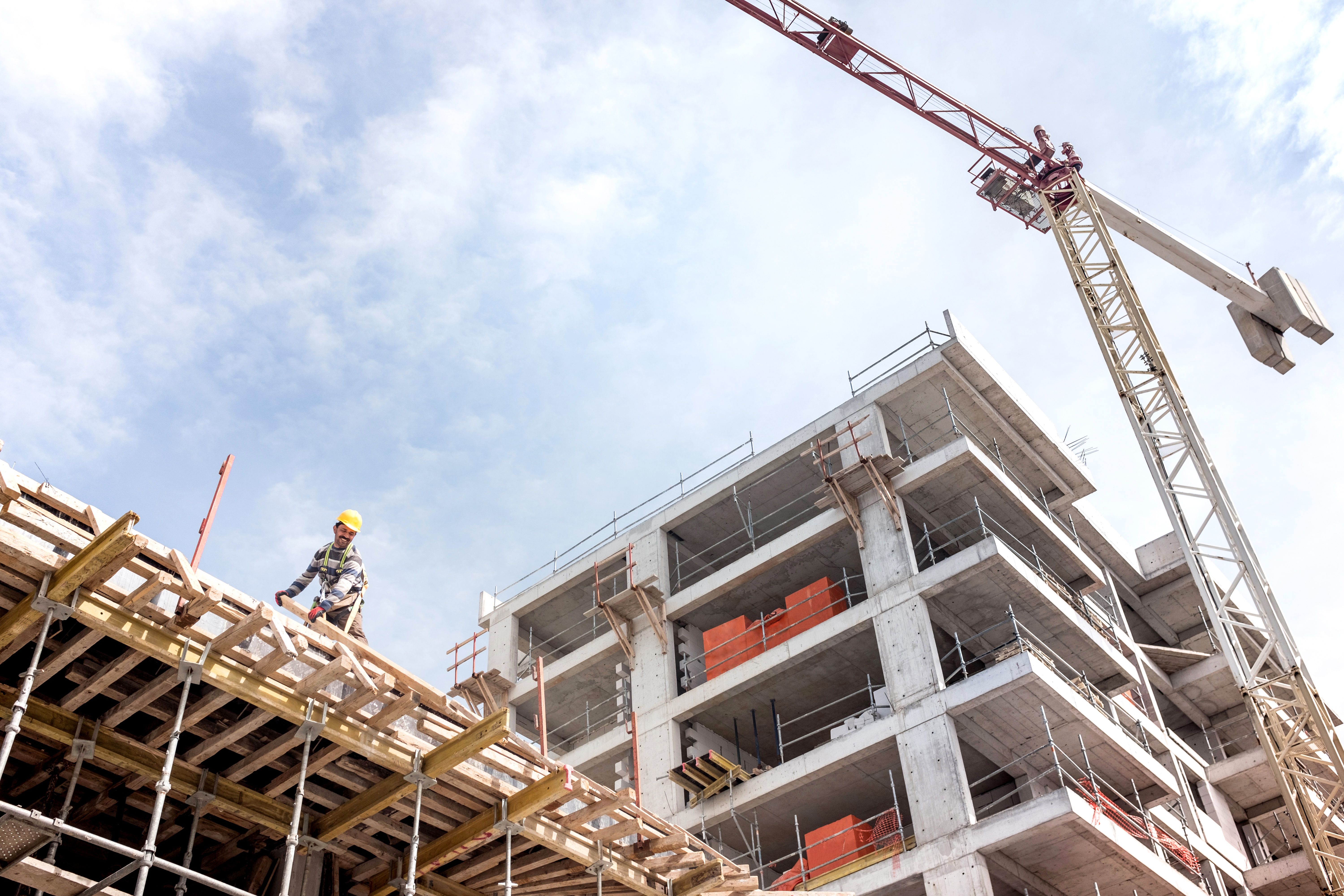
Projects such as new highways, public transport systems, and residential developments are underway to accommodate the urban influx. These initiatives are crucial for sustaining economic growth and improving the quality of life for residents.
Challenges and Opportunities
While the construction industry in Malaysia is booming, it faces challenges such as labor shortages and fluctuating material costs. However, these challenges present opportunities for innovation and improvement.
Companies are investing in training programs to upskill workers and exploring alternative materials to mitigate cost issues. This proactive approach ensures that the industry remains resilient and competitive in the global market.
Conclusion
In conclusion, the Malaysian construction industry is at an exciting juncture, with trends like sustainability, technology integration, and urbanization shaping its future. By embracing these trends, stakeholders can unlock new opportunities and continue to drive growth in this vital sector.