
Choosing the Right Construction Materials for Tropical Climates
Understanding the Challenges of Tropical Climates
When building in tropical climates, it's crucial to consider the unique environmental conditions that can affect construction materials. These areas are characterized by high humidity, intense sunlight, heavy rainfall, and sometimes high winds. Choosing the right materials can make a significant difference in the durability and comfort of the structures.
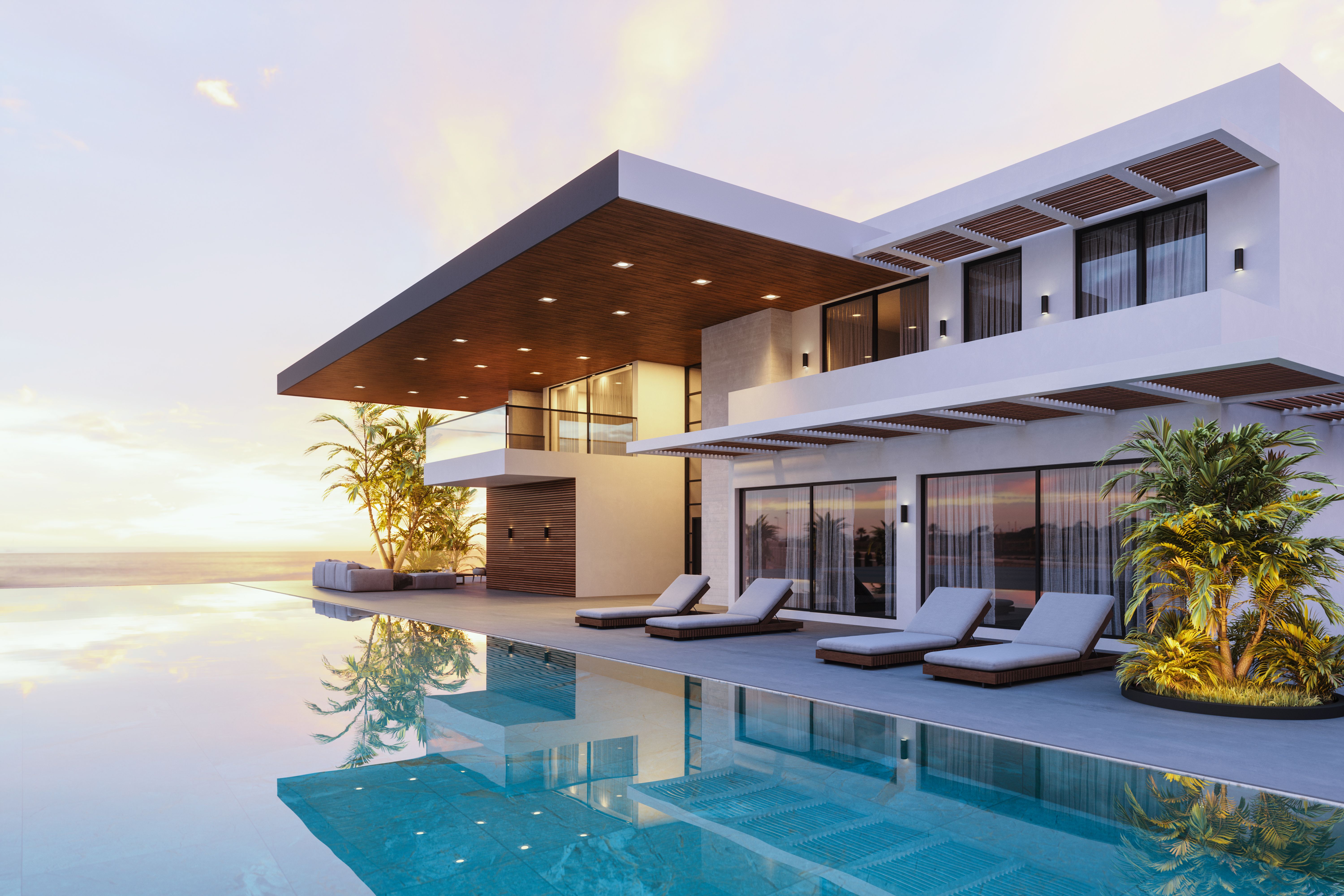
Materials that work well in temperate climates might not be suitable for the tropics due to these extreme conditions. It's important to select options that can withstand these elements to ensure longevity and safety.
Moisture and Humidity Resistance
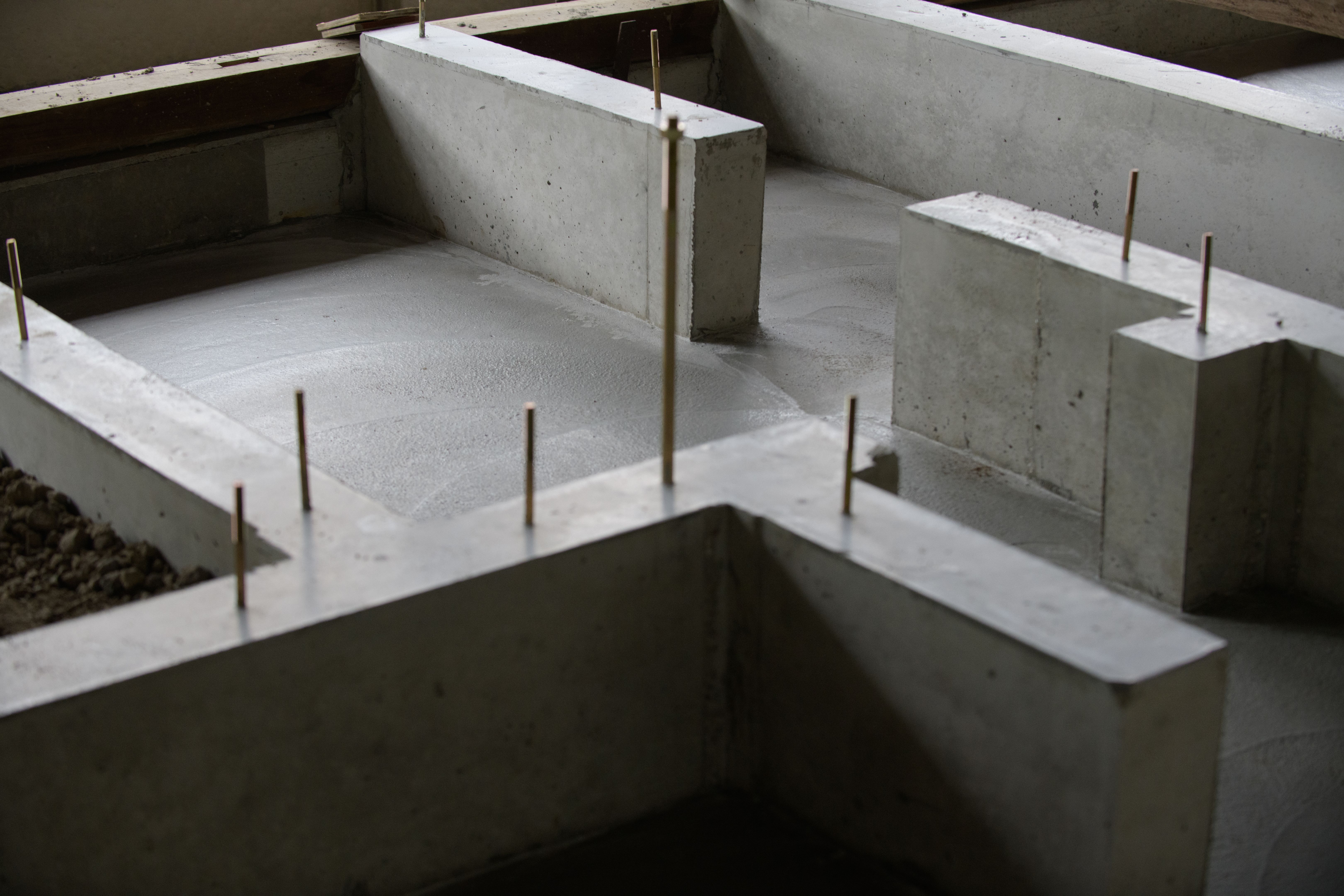
One of the primary concerns in tropical climates is moisture. High humidity levels can lead to mold growth and material deterioration. Therefore, selecting materials that are moisture-resistant is essential. For instance, treated wood, concrete, and certain types of metal are popular choices.
Concrete, especially, is favored for its durability and resistance to moisture. However, it's essential to use high-quality concrete mixes and proper curing techniques to prevent cracks and erosion over time.
Heat and Sunlight Considerations
The intense heat in tropical regions can also affect construction materials. It's crucial to choose materials that reflect sunlight rather than absorb it. Light-colored materials can help reduce heat absorption, keeping interiors cooler.
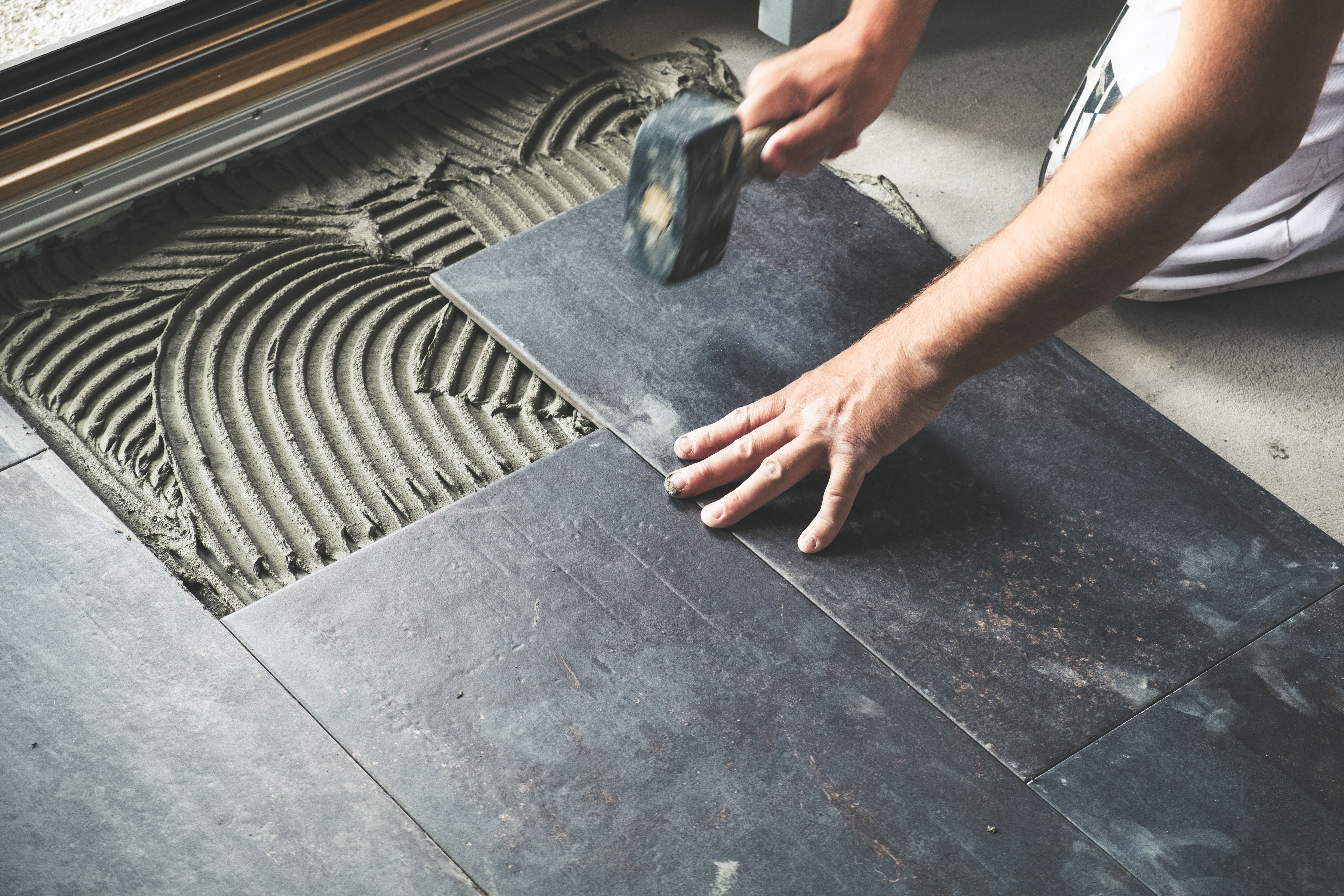
Ceramic tiles and reflective metal roofing are excellent choices for reducing heat gain. Additionally, using insulation materials can further enhance energy efficiency and comfort.
Durability Against Heavy Rainfall
Tropical regions often experience heavy rainfall, which can cause erosion and flooding. To combat this, it's vital to select materials that can withstand prolonged exposure to water. Concrete and stone are excellent for foundations and walls due to their resistance to water damage.
Proper drainage systems are also essential to prevent water accumulation and potential structural damage. Incorporating these systems during the planning phase can save significant costs and repairs in the long run.
Wind Resistance and Structural Integrity
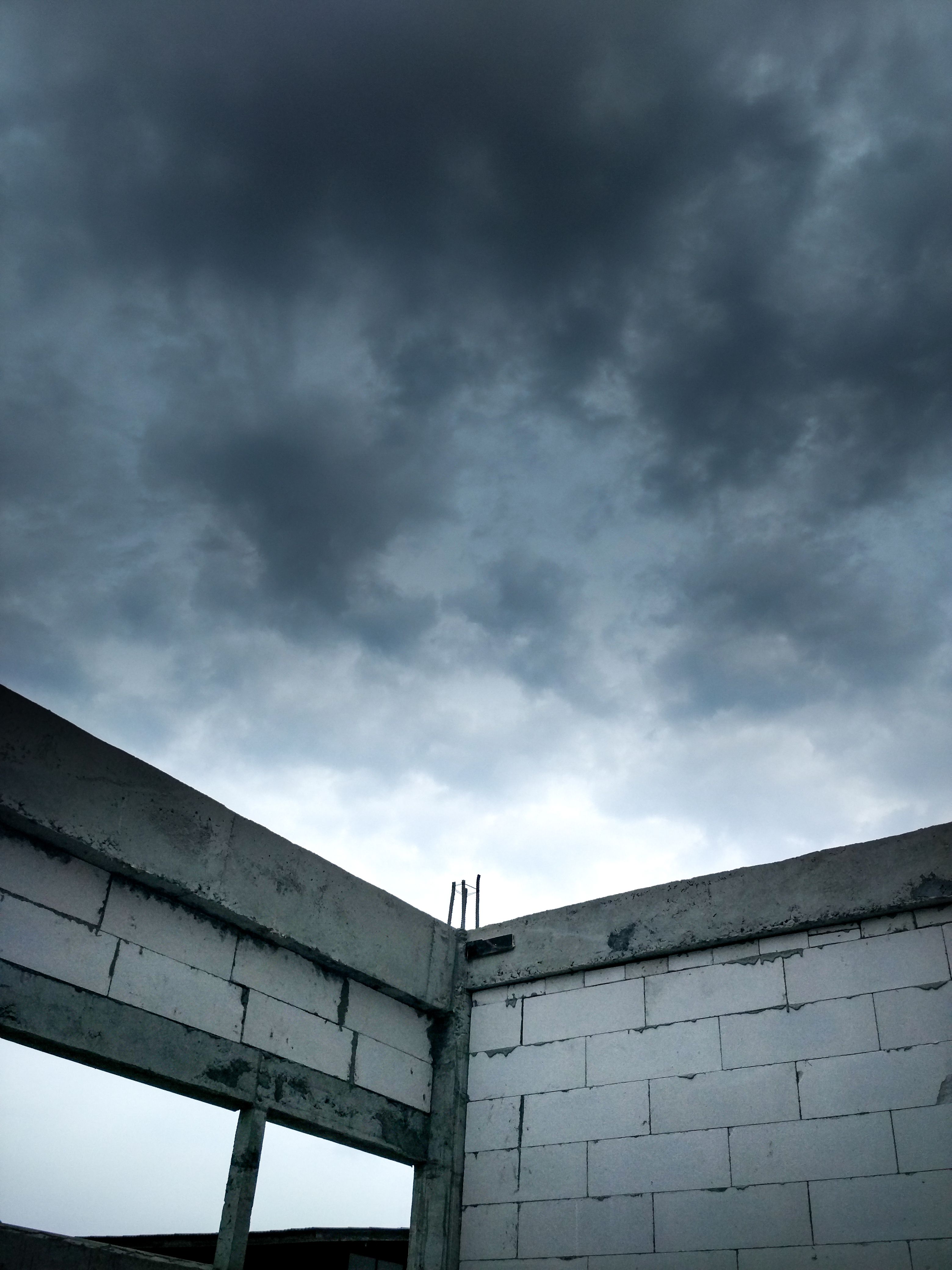
High winds, including those from tropical storms and hurricanes, are common in these areas. Therefore, materials that offer wind resistance are crucial. Reinforced concrete and steel are often used to ensure the structural integrity of buildings.
Additionally, incorporating design elements such as aerodynamic shapes can further enhance a building's ability to withstand strong winds.
Eco-Friendly and Sustainable Options
With increasing awareness of environmental impact, choosing sustainable materials has become more important. Bamboo and reclaimed wood are popular eco-friendly options that perform well in tropical climates.
These materials not only reduce the carbon footprint but also offer aesthetic appeal and adaptability to the local environment. Integrating sustainable practices can also improve the overall energy efficiency of the building.